Learn how to integrate freelancers in agency workflows without friction. Discover proven coordination tools, briefing structures, and best practices.
Table of Contents
Knowing how to integrate freelancers in agency workflows can mean the difference between a smooth, scalable operation and a full-blown operational nightmare. The reality is that many digital agencies start working with freelancers without establishing clear workflows — and the results are predictable: disorganized projects, missed deadlines, and frustrated clients.
The gap between a successful collaboration and an operational disaster comes down to preparation. Agencies that successfully integrate freelancers in agency workflows have built specific systems that maintain quality while scaling their production capacity.
Preparation: Before You Integrate Freelancers in Agency Workflows
The first step toward a successful integration isn’t finding the perfect freelancer — it’s getting your agency’s house in order. That means documenting every existing process, from project management to final client delivery.
According to a study on project management, organizations that document their processes are 65% more likely to complete projects on time. For digital agencies, this translates directly into being able to set clear expectations for any external collaborator.
Preparation involves defining specific roles, establishing checkpoints, and creating reusable templates for briefs. An agency that can’t clearly explain how it operates internally will never be able to integrate freelancers in agency workflows effectively.
Documenting Your Current Workflows
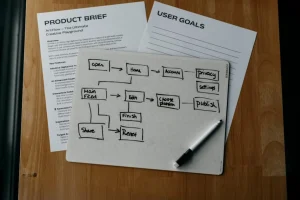
Before onboarding any freelancer, map out every phase of your typical projects. From receiving the client brief to final delivery, each step should be documented with assigned owners, estimated timeframes, and specific deliverables.
This exercise doesn’t just make freelancer onboarding easier — it also surfaces inefficiencies in your internal processes. Many agencies discover redundant steps or bottlenecks during this mapping exercise that were quietly dragging down overall productivity.
Essential Tools to Integrate Freelancers in Agency Workflows
Effective coordination requires tools that provide full project visibility without encouraging micromanagement. The most effective tools for integrating freelancers in agency workflows combine task management, communication, and time tracking in a single ecosystem.
Platforms like Asana, Monday.com, or ClickUp let you build visual workflows where both your internal team and the freelancer can see project status in real time. The key is configuring these tools so information flows automatically — cutting down on the need for constant check-in meetings.
Centralized Project Management
A centralized management system is non-negotiable. Every piece of project information — briefs, assets, feedback, file versions — must be accessible from a single location. Freelancers can’t be waiting for you to email them every file or update.
The typical setup involves structured folders in Google Drive or Dropbox, integrated with your project management tool. Each project gets its own dedicated space with subfolders for briefs, client assets, work in progress, and final files.
Structured Communication
Slack or Microsoft Teams let you create project-specific channels that keep conversations organized. The golden rule: nothing important should ever live only in a WhatsApp thread or a personal email chain.
Set clear schedules for check-ins and define which types of queries need an immediate response versus those that can wait until the next scheduled touchpoint. This prevents the “always on” feeling that burns out both internal teams and freelancers alike.
Crafting Effective Briefs to Integrate Freelancers in Agency Workflows
The brief is the single most critical document for integrating freelancers in agency workflows successfully. A weak brief generates multiple rounds of revisions, delays, and frustration on all sides.

Effective briefs go beyond describing what’s needed — they explain the client context, project objectives, and any technical or creative constraints. A freelancer needs to understand not just the “what” but the “why” behind every decision.
Structure of a Technical Brief
For development projects, the brief must include detailed technical specs: WordPress versions, plugins in use, hosting environment, required access credentials, and budget constraints. It should also specify the development environment and testing procedures.
A complete technical brief includes wireframes or mockups, functionality specs, acceptance criteria, and edge cases the freelancer needs to account for. The time you invest in writing a thorough brief pays back many times over during execution.
Client Context and Objectives
The freelancer needs to understand the end client’s profile, their expectations, and their level of technical sophistication. A project for a tech startup calls for a very different approach than one for a traditional family-run business.
Include information about previous work with the same client, any quirks in their communication style, and specific sensitivities to be aware of. This context allows the freelancer to anticipate potential friction points and adapt their approach accordingly.
Workflows and Checkpoints
Checkpoints are specific moments where progress is reviewed before moving to the next phase. To integrate freelancers in agency workflows effectively, these checkpoints must be clearly defined and communicated from day one.
A typical WordPress development workflow includes checkpoints at: requirements analysis, mockup/wireframe review, staging development, functional testing, and production deployment. Each checkpoint has specific approval criteria and defined owners.
Clear Approval Criteria
Every checkpoint needs objective approval criteria. “Looks good” is not a valid criterion; “matches the approved wireframes and works correctly on mobile” is.
Criteria must be verifiable by any team member — not dependent on one person’s subjective interpretation. This protects both the agency and the freelancer from unrealistic expectations or undocumented scope creep.
Change and Revision Management
Scope changes are inevitable, but they need to be handled in a structured way. Establish a formal process for requesting changes that includes an assessment of the impact on time and budget.
An effective system documents every requested change, its justification, the estimated impact, and the corresponding approval. This prevents disputes down the line and keeps the project profitable for both the agency and the freelancer.
Syncing with Your Internal Team
The freelancer doesn’t work in a vacuum — they need to integrate with designers, project managers, and other developers. Effective synchronization requires clear communication protocols and shared tooling.
Sync meetings should have a specific agenda and a hard time limit. An effective format covers: current project status, identified blockers, next steps, and the date of the next check-in. Agile methodologies provide useful frameworks for structuring these interactions.
Defined Roles and Responsibilities
Every team member — including the freelancer — must have clearly defined roles and responsibilities. This prevents duplicated effort and gaps in task coverage.
The RACI matrix (Responsible, Accountable, Consulted, Informed) is a useful tool for mapping who does what at each project phase. The freelancer should understand not only their direct responsibilities but also who to coordinate with for each type of decision.
Knowledge Transfer
When you integrate freelancers in agency workflows, plan for knowledge transfer from the very start. This includes technical documentation, access credentials, and deployment procedures.
Knowledge transfer should be bidirectional: the freelancer needs access to institutional knowledge, but they should also document the technical decisions they make throughout the project for future reference or maintenance.
Access Management and Security
Security is a critical consideration whenever you bring in external personnel. Freelancers need access to sensitive systems, but that access must be controlled and audited.
Implement a credential management system that lets you create and revoke access centrally. Tools like 1Password for Business or Bitwarden allow you to share specific credentials without exposing master passwords.
Principle of Least Privilege
Grant only the minimum access required to complete the work. A development freelancer doesn’t need access to the client’s social media accounts or the agency’s billing systems.
Access should be reviewed regularly and revoked immediately when the project ends. This isn’t distrust — it’s standard information security practice that protects both the client and the agency from unnecessary exposure.
Backup and Version Control
Establish clear procedures for backups and code versioning. The freelancer should work with version control systems (Git) and commit regularly with descriptive commit messages.
Automatic backups of the development site should be configured before the freelancer starts work. This provides restore points in case of critical errors that could compromise the project.
Metrics and Performance Tracking
To evaluate whether the integration is working, you need objective metrics. These go beyond “the freelancer delivers on time” — they include code quality, communication efficiency, and impact on end-client satisfaction.
Useful metrics include: average response time to queries, number of revisions required per deliverable, deadline adherence, and client feedback on final quality. These metrics should be transparent to the freelancer.
Continuous Feedback and Process Improvement
Build in regular feedback cycles — both during the project and after it wraps. Freelancers can offer valuable perspectives on inefficiencies in your processes that aren’t visible from inside the agency.
Post-project retrospectives should include the freelancer’s perspective on what worked well and what can be improved. This insight is invaluable for refining your processes before the next collaboration.
Common Mistakes When Integrating Freelancers in Agency Workflows
The most frequent mistake is treating the freelancer like a remote employee rather than an external collaborator with specific needs around information and autonomy. Freelancers who thrive working with agencies need more upfront context but less day-to-day supervision.
Another common mistake is failing to set clear expectations around availability and response times. Freelancers typically juggle multiple clients, so they need to be able to plan their time efficiently.
Counterproductive Micromanagement
Micromanagement is especially destructive with freelancers. They chose this way of working precisely because it gives them autonomy over how they execute tasks — as long as they deliver the agreed results.
Focus on outcomes, not process. If the freelancer delivers quality code on time, it doesn’t matter whether they work at night or use a different IDE than your internal team does.
Lack of Structured Onboarding
Many agencies assume experienced freelancers don’t need onboarding, but every agency has its own quirks. A structured onboarding process accelerates the learning curve and reduces early friction.
Onboarding should cover: agency culture, tools in use, communication processes, required access, and specific expectations. A 2–3 hour investment in onboarding pays back many times over during the first project.
Success when you integrate freelancers in agency workflows depends more on preparation and structure than on any individual freelancer’s talent. Agencies that build clear systems can work successfully with a wide range of freelancers — while those with weak processes struggle even with the best talent.
If you need specific guidance on implementing these processes at your agency, you can reach out to discuss your particular situation and develop an integration strategy tailored to your specific needs.
My Take as a WordPress Developer
In my experience working with digital agencies, the most successful collaborations don’t hinge on finding the “perfect” freelancer — they hinge on having clear processes from the start. Agencies that invest time in documenting their workflows and establishing specific checkpoints achieve far smoother integrations and more profitable projects. What I find especially valuable is that these systems benefit both the freelancer and the internal team, creating a more predictable and less stressful working environment for everyone involved.
Need help with your project? I work with businesses and agencies on WordPress, WooCommerce, AI and integrations. Get in touch and we can discuss it.