Learn what custom web development is, how it differs from templates, and when it's the right choice for your project. A practical, no-fluff guide.
Custom web development is the process of building a website or web application from scratch — designing every feature specifically around the needs of a particular business, without relying on pre-built templates or off-the-shelf solutions. If you’ve ever wondered what custom web development really means and how it differs from setting up a site with a WordPress theme or a platform like Shopify, this article breaks it down clearly and without fluff.
Custom Web Development vs. Standard Solutions: The Real Difference
A standard solution starts from a pre-built foundation: a theme, a template, or a visual page builder. You adapt your business to what the tool allows. That’s often enough for simple projects, but it starts showing its limits when the business grows, needs specific integrations, or requires a user flow that no template was ever designed to handle.
Custom web development flips that process entirely: you start by understanding the business — its workflows, its users, its goals — and then you build the technical solution that responds precisely to those requirements. There are no design compromises forced by the theme, no features that “almost” work, and no leftover code from functionality nobody ever uses.
According to Wikipedia’s overview of web development, the discipline covers both server-side and client-side development, along with database management and information architecture. A custom project works across all those layers in a coordinated, deliberate way — not in a way inherited from someone else’s choices.
Technical Components of a Custom Web Project
Understanding what a custom web development project involves technically helps you appreciate why timelines and budgets differ from a standard solution. Here are the main building blocks:
Information Architecture and UX
Before a single line of code is written, you define how information is structured, how users navigate, and which actions take priority on each screen. This UX work isn’t cosmetic — it dramatically reduces usability problems that surface late in the project and are expensive to fix once development is underway.
Custom Interface Design
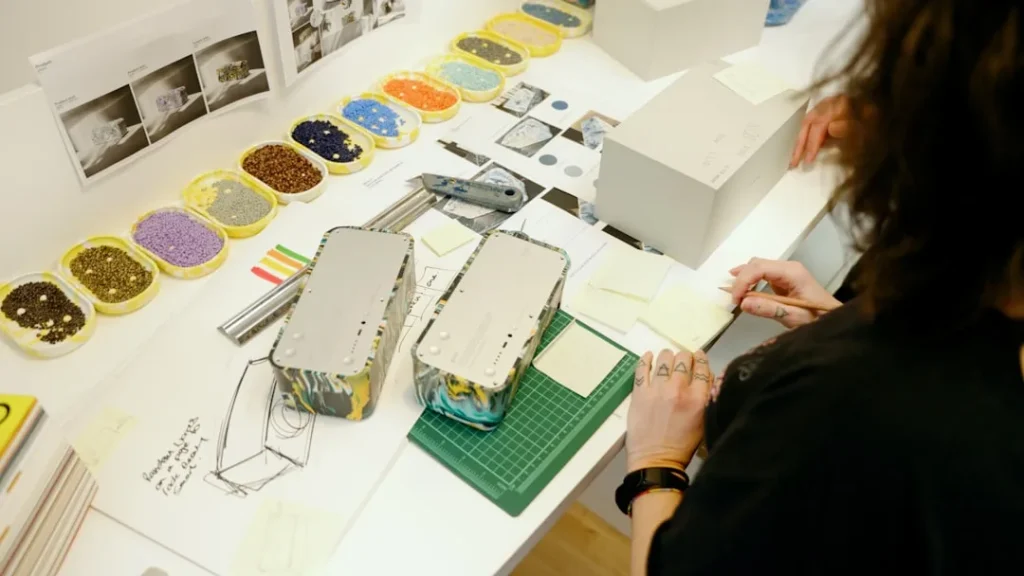
Design starts from zero, built around the brand’s identity — not around a theme’s dozen pre-configured options. The result is a cohesive interface with no generic elements that give away the tool underneath. This has a direct impact on the quality and credibility users perceive when they land on the site.
Frontend and Backend Development
The frontend handles everything the user sees and interacts with: semantic HTML, optimized CSS, controlled JavaScript. The backend manages business logic, the database, and integrations with external systems — CRM, ERP, payment gateways, third-party APIs. In a custom project, both layers are designed to work together efficiently, without the code bloat that multipurpose themes inevitably carry.
WordPress as a Custom Web Development Framework
There’s a common misconception worth clearing up: WordPress is not just a theme platform. Used as a framework — with child themes developed from scratch or fully custom themes (headless or traditional) — it can power genuine custom web development projects on a solid, mature foundation, backed by a rich plugin ecosystem and a large support community. Many projects that technically qualify as “custom development” are built on WordPress, leveraging its content management system without depending on any commercial theme.
When Custom Web Development Makes Sense
Not every project needs custom web development. There are cases where a well-configured standard solution is perfectly valid — and more efficient in terms of time and cost. But there are scenarios where customization isn’t a luxury; it’s an operational necessity:
- Complex business workflows: multi-step order processes, product configurators, booking systems with conditional logic.
- Integrations with internal systems: ERP, CRM, logistics platforms, or proprietary tools that have no official plugin for WordPress or Shopify.
- Performance-critical environments: high-traffic sites where clean, lean code makes a measurable difference in load times and stability.
- Strong brand differentiation: industries where visual presentation is part of the product itself (fashion, architecture, luxury) and a generic theme actively erodes brand perception.
- Planned technical scalability: projects that will grow in features over time and need an architecture that can support that growth without requiring a full rewrite.
A small e-commerce store with a standard catalog probably doesn’t justify a full custom build. A store with customer-specific pricing logic, its own ERP integration, and a tailored order flow? It does.
Technical Advantages Over Generic Solutions
The advantages of custom web development go well beyond aesthetics. There are measurable technical benefits:
Real Performance Gains
Commercial WordPress themes typically load dozens of CSS and JavaScript files that are never used on most pages. A theme built from scratch loads only what’s needed. According to studies published on web.dev by Google, every additional second of load time reduces conversion rates by 7% to 20% depending on the industry. Clean code isn’t an architectural nicety — it directly affects business results.
Controlled Security
Every plugin installed on WordPress is a potential attack surface. Custom web development minimizes external dependencies, reduces the number of required plugins, and allows the proprietary codebase to be fully audited. That doesn’t make it invulnerable, but the risk perimeter is considerably smaller.
Long-Term Maintainability
A third-party theme can lose support, restructure entirely in a major update, or generate conflicts with the WordPress core. A custom theme is owned by the client: there are no third-party dependencies that can break the site without warning.
FAQ About Custom Web Development
How long does a custom web development project take?
It depends on complexity, but a mid-scope custom web development project — a corporate site with custom sections and basic integrations — typically takes 6 to 12 weeks from the start of design through launch. More complex projects with advanced business logic can stretch to several months.
Is it more expensive than a standard solution?
The upfront cost is higher, yes. But the total cost of ownership over 3–5 years can be very competitive: fewer plugin licenses, fewer compatibility issues, fewer corrective maintenance hours, and superior technical performance that translates into better results. The fair comparison isn’t initial price vs. initial price — it’s total cost vs. value generated.
Can WordPress be used for custom web development?
Absolutely, and it’s a common and efficient combination. WordPress as a CMS with a fully custom-built theme gives you the best of both worlds: a familiar, mature admin panel paired with a completely custom presentation and functionality layer. Many projects that technically meet the definition of “custom development” are built on WordPress.
What separates good custom web development from mediocre work?
Code quality matters, of course — but what matters most is the analysis phase that comes first. Mediocre custom development jumps straight to the screen without understanding the business’s processes. Good custom development starts by mapping workflows, identifying real user needs, and defining an architecture that can support future growth. The code is a consequence of the analysis, not the other way around.
If you’re evaluating which type of solution fits your project best, the WordPress development services page covers the types of projects I typically work on in detail.
My Take as a WordPress Developer
When someone asks me whether their project needs custom web development or can be handled with a well-configured theme, my answer always starts with the same question: does the standard solution force you to change how your business works, or does it adapt to it? If the answer is the former, that’s usually the clearest signal. I’ve seen projects built on marketplace themes that work perfectly for years, and custom projects that never needed to be custom in the first place. The label “custom” isn’t the point — what matters is whether the chosen architecture genuinely serves the business goals behind it.
Need help with your project? I work with businesses and agencies on WordPress, WooCommerce, AI and integrations. Get in touch and we can discuss it.